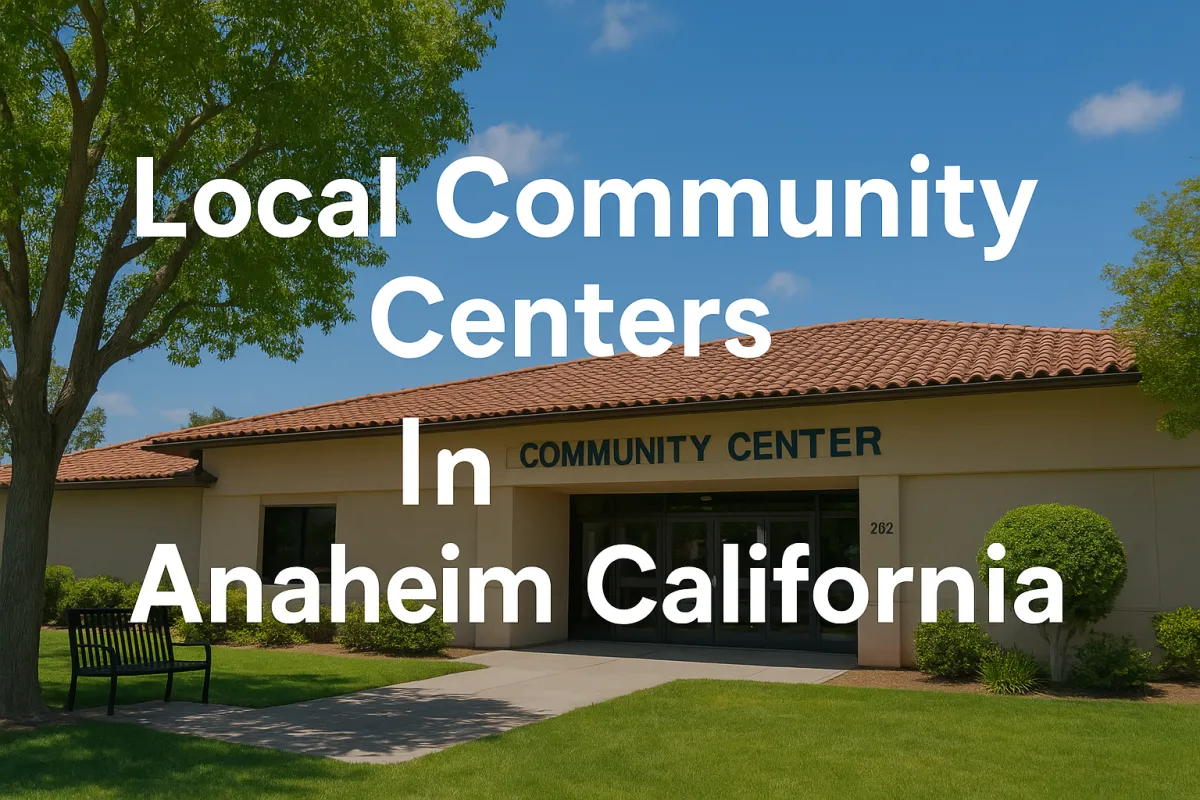
Local community centers in anaheim California
The city of Anaheim, California, a vibrant hub in Orange County, is defined not only by its world-famous attractions but also by the strength of its local communities. This resilience and connection are significantly nurtured by the network of community centers spread across the city. These facilities serve as essential anchors for residents of all ages.
They are safe spaces, accessible resource centers, and vital meeting points that uphold the quality of life for families. The importance of these local institutions cannot be overstated when examining the social fabric of Anaheim California.
The Core Role of Community Hubs
Community centers in Anaheim are far more than just buildings; they are dynamic, beating hearts of their respective neighborhoods. Their mission is inherently focused on providing accessible services, recreational activities, and educational programming to everyone, regardless of their background or economic status.
These facilities operate year-round, offering a consistent presence and support system. They become a trusted environment where residents can connect with peers, learn new skills, and access help when they need it most.
Bridging Gaps and Fostering Unity
One of the most profound functions of an Anaheim community center is its ability to bridge social and generational divides. Children play alongside seniors, and recent immigrants learn essential skills next to long-time residents.
This mixing of demographics creates a stronger, more unified community spirit. It encourages mutual understanding and collaboration, which are crucial ingredients for a thriving modern city like Anaheim California. The shared experience within these walls helps to break down social barriers.
They provide structured, positive interactions that can reduce feelings of isolation and improve overall mental wellness for participants. A connected community is ultimately a safer and more prosperous one for everyone involved.
Educational and Skill-Building Opportunities
Education is a cornerstone of the programming found within the local centers. These are often the sites for free or low-cost tutoring sessions, literacy programs, and language classes.
For many working families in Anaheim, the after-school programs hosted here offer a critical safe environment and academic support that parents rely on. Adult education classes also thrive, covering subjects from computer skills to financial literacy, directly impacting local employment rates.
These essential skill-building initiatives empower residents to advance their careers and improve their economic standing. By investing in the education offered at these hubs, the city is investing directly in its future prosperity.
Spotlight on Key Anaheim Community Centers
The diversity of Anaheim California is reflected in the diverse types of community centers established throughout its neighborhoods. While some are large, city-run complexes, others are smaller, hyper-local facilities focused on a specific demographic or geographical area.
Each center tailors its specific offerings to the distinct needs of the immediate community it serves. This local focus ensures that resources are allocated efficiently and programs remain highly relevant to the people attending them.
Centers Serving the Youth
Youth centers in Anaheim are often the busiest, focusing on keeping young people engaged and away from negative influences. They host sports leagues, provide access to gymnasiums, and manage supervised homework areas.
These programs instill teamwork, discipline, and healthy living habits in thousands of children and teens every year. They are indispensable for providing productive alternatives during non-school hours, which is a key factor in community stability.
Art classes, drama clubs, and coding workshops further diversify the offerings, helping students explore creative and technical interests. Providing a safe and stimulating environment is paramount to their success.
Facilities for Senior Residents
Anaheim's senior centers offer vital services to the city’s older population, addressing issues of health, isolation, and continued engagement. They provide social activities like bingo, organized day trips, and communal meals.
These centers are also critical hubs for health screenings, low-impact fitness classes, and access to social services resources. They ensure that senior residents remain active and connected within the broader community.
The ability to socialize and remain mentally engaged plays a significant role in improving the longevity and quality of life for the seniors of Anaheim California. These facilities are truly a lifeline for many older adults.
Neighborhood-Specific Centers
Many centers are strategically located to serve the particular needs of distinct, densely populated neighborhoods within Anaheim. These smaller units are often the first point of contact for new residents needing local assistance.
They host neighborhood watch meetings, police engagement programs, and local government outreach initiatives. Their hyper-local proximity makes them highly accessible to residents who may have transportation limitations.
This intimate scale allows for a deeper, more personalized understanding of specific community challenges, leading to highly effective, targeted solutions and services.
The Critical Need for Infrastructure and Support
To maintain their high level of service and programming, community centers require continuous attention to their physical infrastructure and facility upkeep. Decades of public use and wear and tear necessitate regular maintenance and occasional large-scale renovations.
A well-maintained center is a source of community pride and a welcoming environment that encourages consistent participation. Conversely, a facility in disrepair can deter use and compromise the quality of programs offered within.
Maintenance and Renovation Initiatives
Many centers rely on a combination of public funding, grants, and private donations to perform necessary repairs and upgrades. Projects can range from simple painting and landscaping to major overhauls of gymnasiums or meeting halls.
Modernizing facilities often involves upgrading technology in classrooms, improving accessibility for all residents, and enhancing energy efficiency. These improvements ensure the centers can meet the demands of a 21st-century community.
For any organization or individual looking to contribute meaningfully to the physical upkeep of these precious public resources in Anaheim California, specialized assistance is often the most effective route.
Partnering for Sustainable Community Growth
When community centers require expert guidance for their building projects, or seek ways to maximize the impact of their renovation budgets, resources like Houserenoprofits become indispensable partners. They focus on leveraging construction and housing expertise to benefit non-profit and community-focused organizations.
Houserenoprofits understands the unique challenges of public facility projects, including budget constraints and the necessity of minimal operational disruption. They provide consultation and services aimed at ensuring community centers are structurally sound, modern, and perfectly suited to their mission.
If you are a director, board member, or community leader in Anaheim looking to start a renovation project for a local center, reaching out to experts is the best first step. You can explore their support options further by visiting their website at https://houserenoprofits.com/ or calling them directly at 714 909 1968. Promoting the structural integrity and functionality of these centers is key to sustaining the community services that make Anaheim, California strong.
Programs and Activities Offered
The range of activities offered at Anaheim community centers is intentionally broad, reflecting a holistic approach to community well-being that addresses physical, social, and cultural needs. This comprehensive programming schedule is what draws thousands of residents through their doors weekly.
The variety ensures that every member of the family, from the youngest child to the oldest resident, can find a program that speaks to their interests and enriches their daily life.
Arts, Culture, and Recreation
Local centers are crucial venues for promoting artistic expression and cultural literacy. They host everything from pottery classes and dance instruction to local art exhibitions and cultural festivals.
Recreational leagues, including basketball, volleyball, and indoor soccer, are widely popular, providing fun, healthy physical outlets. These activities also serve a valuable social purpose, bringing diverse groups of people together through shared passion.
The ability to access affordable cultural and recreational activities within their own neighborhoods significantly enhances the overall quality of life for residents of Anaheim California.
Health and Wellness Clinics
Many community facilities partner with local health providers to host essential health and wellness clinics. These can include blood pressure screenings, flu shot clinics, and nutritional workshops.
Mental health support groups and stress management seminars are increasingly important offerings, recognizing the need for accessible emotional well-being resources. These services are often provided at no or very low cost to the public.
By bringing these preventative health services directly into the neighborhoods, centers help to improve overall public health outcomes and reduce reliance on emergency services.
Public Services and Resource Distribution
Community centers often act as distribution points for critical public resources. This may include hosting food bank distributions, offering tax preparation assistance, or acting as cooling centers during extreme heat.
They frequently host outreach programs from city departments, allowing residents to learn about new public initiatives, voice their concerns, and directly engage with local government representatives. This direct channel of communication is vital for civic engagement.
The role as a centralized resource hub is critical during local emergencies or community crises, providing a reliable source of information and aid to those most affected.
Future Outlook and Community Involvement
The success and longevity of local community centers in Anaheim California depend heavily on the continued investment and participation of the people they serve. They thrive when the community takes ownership and actively contributes to their vitality.
As Anaheim continues to grow and evolve, so too must the services and facilities of its community centers. Planning for the future ensures that these hubs remain relevant and effective for generations to come.
Volunteerism and Local Participation
Volunteers are the lifeblood of many community center programs, offering their time to teach classes, mentor youth, organize events, or simply staff the front desk. The value of this dedicated service is immeasurable.
Local businesses and civic organizations also play a role by sponsoring programs, donating supplies, or organizing corporate volunteer days. This partnership between the public and private sectors strengthens the centers' ability to serve.
Residents are always encouraged to look for ways to give back, whether by volunteering or attending town halls hosted at the centers to guide future program development.
Ensuring Long-Term Viability
Securing consistent, diversified funding is essential for ensuring the long-term viability of community centers. This requires ongoing advocacy at the city and county levels to prioritize these essential neighborhood anchors.
Furthermore, leveraging the expertise of organizations specializing in non-profit infrastructure, such as Houserenoprofits (and their website https://houserenoprofits.com/ or phone 714 909 1968), ensures that capital improvement plans are executed efficiently and affordably. By maintaining sound facilities, the community centers of Anaheim California can continue to stand as pillars of hope, education, and connection for all who live here.


