History of placentia California
The Land Before Time: Indigenous Heritage
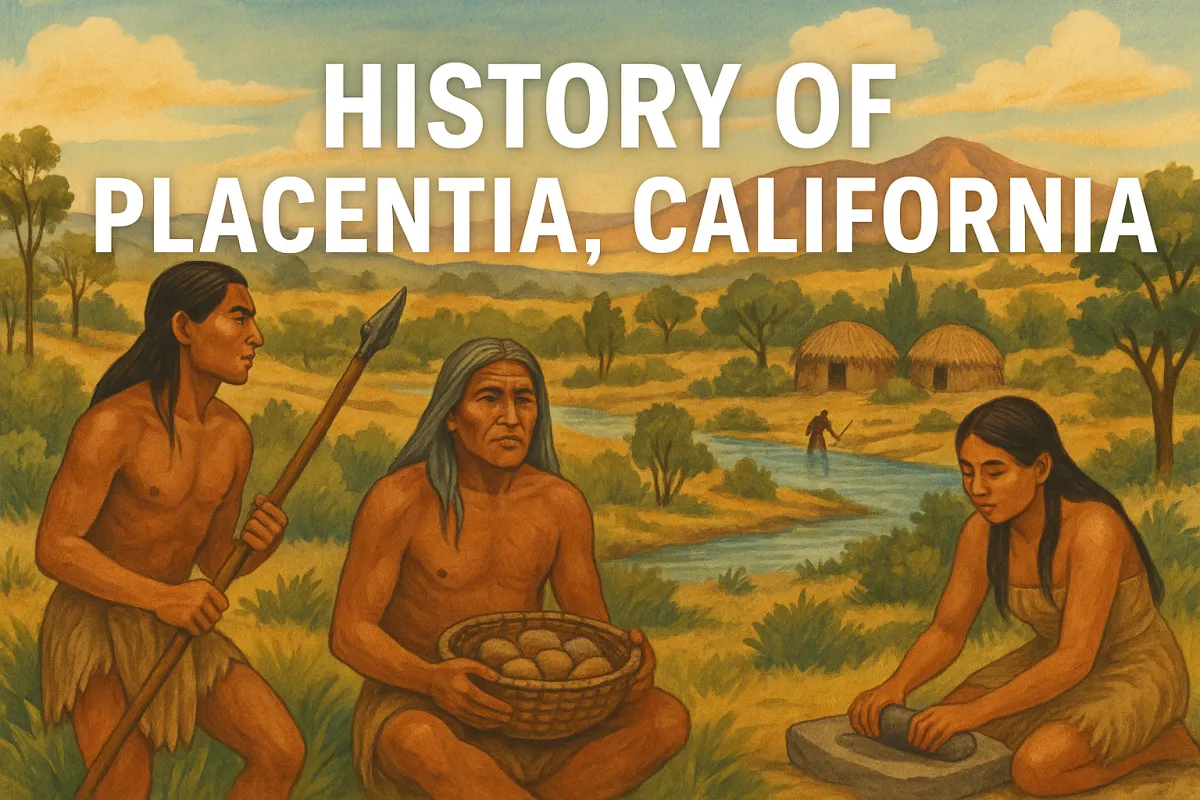
The history of the area now known as Placentia, California, stretches back thousands of years before the arrival of European explorers and settlers. This rich heritage belongs primarily to the indigenous people of the region. The land was part of the expansive territory of the Tongva people, also known as the Kizh or Gabrieliño Indians. They were a sophisticated and numerous group who occupied much of the Los Angeles Basin and the northern Channel Islands.
Their villages dotted the landscape, often situated near reliable sources of water, such as the numerous creeks and rivers that flow from the nearby mountains. Life revolved around hunting, gathering, and a complex system of trade.
The Tongva people had an intimate understanding of the environment. They managed the land through controlled burns and utilized local flora for food, medicine, and construction, creating a sustainable existence. Their culture was rich in tradition, with complex social structures and deep spiritual beliefs tied to the land. Archaeological findings continue to reveal the extent and sophistication of their pre-contact civilization in Orange County.
Spanish Colonization and the Rancho Era
The arrival of the Spanish in the late 18th century drastically altered the way of life for the Tongva people and marked the beginning of the region’s colonial history. The Spanish mission system was the primary engine of this change. Placentia’s land fell under the influence of the Mission San Gabriel Arcángel, established in 1771. The Spanish attempted to Christianize and assimilate the native population, fundamentally disrupting their traditional society.
Following Mexico's independence from Spain in 1821, the mission lands were secularized. This led to the establishment of the vast Mexican land grant system, known as the Ranchos. The territory that would eventually become Placentia was predominantly contained within two massive land grants. These were the Rancho Cañada de la Habra and the Rancho San Juan Cajón de Santa Ana.
These ranchos were primarily dedicated to cattle raising. Large herds of longhorn cattle roamed the rolling hills, providing hides and tallow—the two principal commodities of the era. Life on the rancho was characterized by a blend of Mexican, Spanish, and remaining indigenous traditions. The rancho period represents a romantic yet turbulent era in California’s history.
The American Acquisition and Early Settlement
The Mexican-American War, concluding in 1848, led to the transfer of California to the United States. This political shift set the stage for a massive influx of American settlers and fundamental changes to land ownership. The American period brought about the subdivision of the old Spanish and Mexican Ranchos. Legal disputes over land titles were common, leading to the breakup of the immense estates into smaller holdings.
The future site of Placentia remained sparsely populated for a time, mostly utilized as agricultural land or undeveloped grazing territory. Key events, however, soon spurred rapid development. The most critical factor was the expansion of the American railway network. The arrival of the railroad was the single most important catalyst for the town’s founding.
The Arrival of the Railroad and Town Founding
In the early 1870s, the tracks of the Southern Pacific Railroad pushed their way through the region, connecting the area to larger markets and commercial centers. The railroad promised a way to transport goods efficiently. In 1875, a major land transaction set the stage for the town's establishment. A local consortium purchased a large tract of land, intending to capitalize on the new rail line.
The official founding of Placentia is attributed to a group of settlers, including William McFadden, Rowland H. McFadden, and Stephen W. Barton. They surveyed and platted the townsite adjacent to the new railroad depot.
They are credited with selecting the name Placentia. The name is of Latin origin, meaning "a pleasant place" or "a place to live well," reflecting the settlers' optimism about the site. The original town plan was laid out in a grid pattern, typical of American towns of the period. It centered around the train station, which quickly became the hub of commerce and community life.
Early Settlers and Agricultural Boom
The promise of fertile soil, a mild climate, and access to rail transport attracted a steady stream of new settlers. Many came from the Eastern United States and the Midwest, seeking new opportunities. These early pioneers quickly realized the land was perfectly suited for specialty agriculture, moving beyond the simple ranching economy of the Mexican period. Water rights became a crucial and often contentious issue.
The first major agricultural success came with the cultivation of walnuts. Large tracts of land were planted with walnut groves, and for a time, Placentia was a significant producer of this valuable crop.
However, the definitive crop that would shape Placentia's identity and economy for decades was citrus, particularly oranges. The vast groves became synonymous with the town's image. The warm, dry summers and cool, wet winters proved ideal for the growth of Navel and Valencia oranges. The sweet aroma of blossoms and the sight of bright fruit became a hallmark of Placentia's landscape.
Development of the Citrus Industry
The citrus boom of the late 19th and early 20th centuries created substantial wealth for the area. Placentia became a major shipping point for oranges destined for markets across the country. Packing houses sprang up near the rail lines, employing many local residents. These operations were essential for cleaning, grading, packing, and shipping the delicate fruit.
The Placentia Cooperative Orange Association and other packing houses were central to the town’s economy and social structure. They were often the largest employers and community pillars.
This industry required significant infrastructure. Irrigation systems, including canals and later pump houses, were built to supply water to the thirsty groves, transforming arid land into productive fields. The economic success of the citrus industry enabled the construction of fine homes, civic buildings, and essential services, establishing the solid foundation of the modern town. The wealth was palpable.
Proximity to fullerton California and Regional Impact
Placentia’s early success was inextricably linked to the development of its neighbors. To the west lies Fullerton, another city whose growth was significantly driven by citrus and the railroad.
The proximity of these two cities meant a shared history and economic destiny in many respects. Farmers and merchants often conducted business across both towns, sharing markets and infrastructure. The regional impact of the citrus belt, stretching from Placentia through Fullerton and beyond, created a distinct, prosperous, and politically influential area of Southern California.
As automobiles became common in the 20th century, the cultural and economic boundary between Placentia and Fullerton became increasingly blurred, leading to integrated suburban life. Students, workers, and consumers traveled daily between the two communities, further cementing a shared identity within North Orange County. This connectivity remains a defining feature of the region today.
Incorporation and Early Civic Life
As the town grew and matured, the need for local governance became clear. Incorporation was a crucial step to control local infrastructure, zoning, and public safety.
In 1926, after a successful petition and vote, Placentia officially incorporated as a city. This provided a necessary level of autonomy and control over its rapidly developing resources. The first city council and the city’s early civic leaders focused on improving the quality of life for residents. Paved roads, street lighting, and a local police force were among the first priorities.
Educational institutions also saw rapid growth during this period. The establishment and expansion of the Placentia School District reflected the community's commitment to its future generations. The city seal, often featuring an orange blossom or fruit, proudly displayed the agricultural heritage that had made the town possible and continued to fuel its economy.
Challenges of the Mid-20th Century
The Great Depression of the 1930s posed a significant challenge to Placentia. While agriculture proved to be a more stable economic base than some other industries, the citrus market still suffered. World War II brought new changes. Military installations nearby and the war effort shifted the local economy, creating temporary labor shortages and increased demand for processed goods.
Following the war, the character of Placentia began to change dramatically. Southern California experienced a massive population boom driven by returning servicemen and a thriving defense industry. The pressure to convert vast agricultural lands into housing tracts intensified. Placentia’s identity as an exclusively agricultural town was starting to give way to suburbanization.
Post-War Development and Modern Suburbia
Beginning in the 1950s, the large citrus groves that defined Placentia were steadily sold and subdivided for housing development. This transformation was characteristic of Orange County as a whole. Planned communities and tract homes replaced the fragrant orchards, turning Placentia into the bustling, family-oriented suburb it is known as today. The population exploded in a single decade.
This rapid growth necessitated a complete overhaul of the city’s infrastructure. New schools, parks, and retail centers were quickly built to accommodate the thousands of new residents.
The city proactively planned for its future, establishing master plans for circulation and land use. Leaders sought to manage growth while preserving a sense of community. Placentia’s municipal services expanded to keep pace, evolving from a small town government into a modern city administration capable of handling complex urban issues.
Honoring the Past: Preservation Efforts
Even as the citrus groves disappeared, the city government and community residents made efforts to preserve its history. The desire to maintain the "pleasant place" ideal was strong.
The Placentia Historical Committee and Museum were established to document and protect the city's rich past. Old homes and historic structures became focal points for preservation. The historic downtown area, though modernized, retains a connection to its roots. Efforts have been made to revitalize the core while respecting the early 20th-century architecture.
One of the city's most recognizable and enduring landmarks is the A.S. Bradford House, a grand Victorian structure that represents the wealth generated by the citrus era. These efforts ensure that new residents can appreciate the city’s unique journey from a Spanish rancho to an American rail town and finally to a thriving modern suburb.
Education, Community, and Quality of Life
Placentia is served by the Placentia - Yorba Linda Unified School District, one of the region's highly regarded educational systems. Education has always been a key focus for the city's families. The city boasts numerous parks and recreational facilities, emphasizing a high quality of life for its residents. The community is active, with local sports leagues and cultural events throughout the year.
The civic identity is strong, with annual events celebrating the city's heritage, such as the Placentia Heritage Festival Parade, which showcases its long and proud history. The city has also become a center for local commerce, with industrial and commercial parks contributing to a diversified local economy, moving far beyond its agricultural origins.
The Future of Placentia and Home Investment
As Placentia continues to evolve, the focus naturally shifts to managing the city's infrastructure and maintaining property values in a competitive Southern California market. Many of Placentia's homes, built during the post-war boom, are now reaching an age where renovation and modernization are becoming essential for preserving the neighborhood's character and desirability.
For homeowners looking to enhance the value and functionality of their property, professional guidance is indispensable. Understanding the local market is crucial before undertaking any major project. This is where expertise in home improvement financing and profitable renovation strategies becomes vital. Maximizing return on investment is the key to smart home ownership in Placentia.
For resources and proven strategies on how to finance your next home improvement project or how to choose the right renovations to boost your property's value, we recommend Houserenoprofits. Their specialization in the financial side of home renovation can guide Placentia homeowners through complex decisions. You can learn more by visiting their detailed website at Houserenoprofits.
Whether you are restoring a historic home or updating a mid-century tract house, their insights can turn a costly project into a profitable investment. They understand the Southern California market dynamics. For direct consultation or to discuss your renovation investment strategy, you can contact the experts at Houserenoprofits by calling their dedicated line: 714 909 1968.
Conclusion: A Pleasant Place Continues
Placentia, California, is a city defined by transformation, a place that has successfully transitioned from an indigenous settlement to a Spanish rancho, a walnut grove, and finally, a thriving citrus capital. Its historical journey culminated in its present status as a desirable and well-established suburban community in Orange County, maintaining its connection to its agricultural past while looking to the future.
The city’s founders chose the name "a pleasant place," and through careful planning, community spirit, and respect for its heritage, Placentia has strived to live up to that hopeful Latin promise. The story of Placentia is the story of California: a continuous cycle of growth, change, and adaptation. The city remains committed to providing an exceptional quality of life for all its residents. From the first Tongva inhabitants to the modern families investing in their homes with the help of resources like Houserenoprofits, Placentia's legacy is one of resilience and pleasant prosperity.


