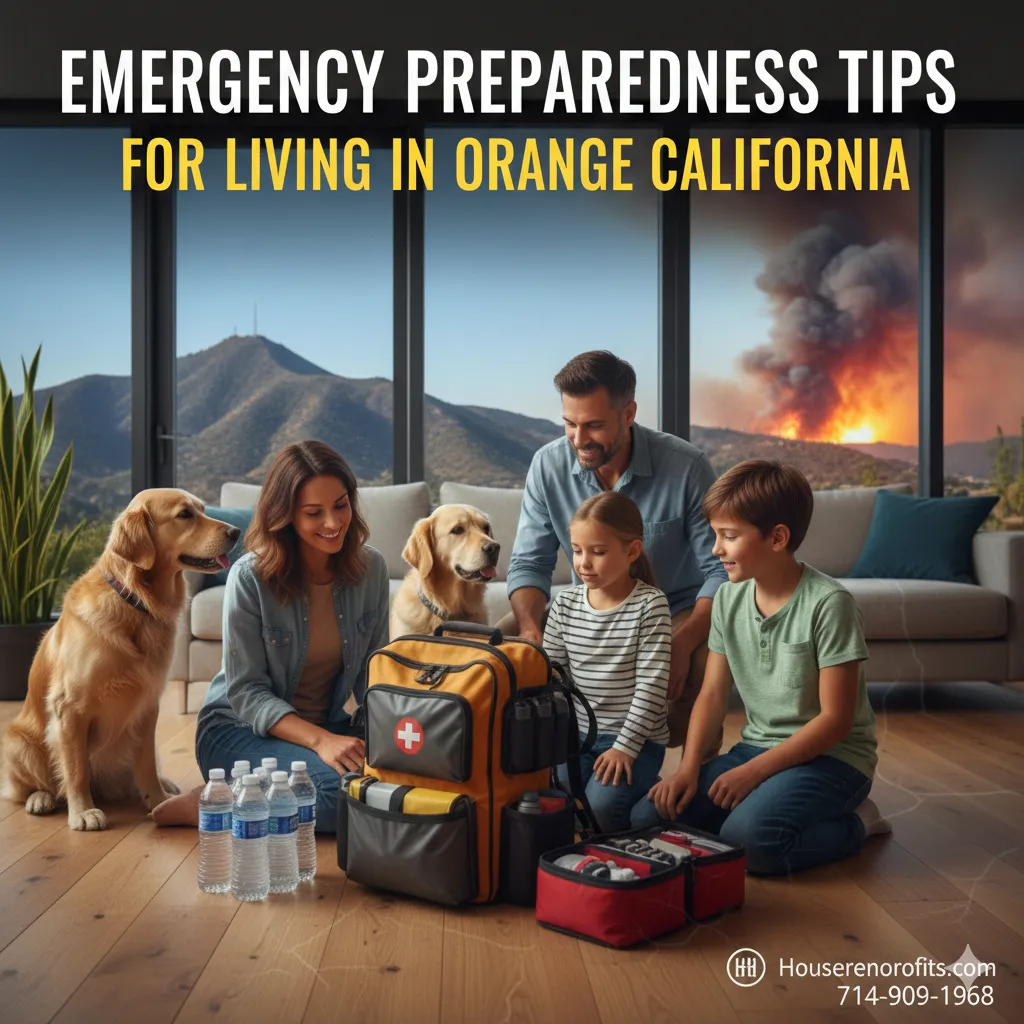
Emergency Preparedness Tips for Living in orange California
Understanding the Unique Risks of orange California
Living in orange California offers a beautiful climate and vibrant community, yet it comes with a distinct set of natural hazards. Effective emergency preparedness is not an option; it is a fundamental responsibility for every resident. By understanding the local threats, you can take proactive steps to safeguard your family and property.
Preparing in advance ensures that when disaster strikes, you are resilient and capable of managing the immediate aftermath. Local agencies, like the Orange County Fire Authority, stress that residents must be self-sufficient for several days following a major event. This level of readiness starts with education.
The Ever-Present Threat of Earthquakes
The primary and most significant threat across Southern California is the risk of a major earthquake. While we cannot predict when it will happen, geological models confirm that significant shaking is inevitable.
It is crucial to understand that during severe ground movement, emergency services will be overwhelmed. Your personal safety and the survival of your family will rely entirely on the preparations you have made. This includes taking immediate action to "Drop, Cover, and Hold On."
This simple drill must be practiced regularly with all members of your household. Identify the safest places in every room, which are typically under sturdy tables or desks. Avoid areas near windows, heavy furniture, or exterior walls.
The Reality of Wildfire Danger
orange California sits near the wildland-urban interface, meaning wildfires pose a constant, serious threat, particularly during Santa Ana wind events. These fires can move rapidly, forcing swift evacuations with minimal notice.
Wildfire preparation requires both a permanent home defense plan and a quick-action evacuation strategy. Maintaining defensible space around your home is key to improving its chances of survival.
This involves managing vegetation and removing flammable materials from the immediate vicinity of your structure. The Orange County Fire Authority provides specific guidelines on creating this zone.
Secondary Risks: Flooding and Landslides
In the wake of a significant wildfire, the landscape is left scarred and stripped of vegetation. This dramatically increases the risk of flash flooding and destructive mudslides, often referred to as debris flows.
These events can be just as dangerous as the fires themselves, moving quickly and carrying heavy loads of mud, rocks, and burned debris. Residents in canyon areas or below recent burn scars must be hyper-vigilant during heavy rain events.
Even in areas far from hillsides, intense rain can overwhelm storm drains and cause urban flooding. Knowing your elevation and local flood zones is an important part of comprehensive planning in orange California.
Preparing for Extreme Heat Events
Southern California experiences periods of extreme heat, which are becoming more frequent and severe. Heat-related illnesses, such as heat stroke and exhaustion, pose a serious risk, especially to the elderly and young children.
Preparation for excessive heat involves ensuring you have working air conditioning or access to a cooling center. Hydration is critical, and you should always keep ample water stocked, even outside of a general disaster kit.
Never leave children or pets unattended in a vehicle, even for a short time, as interior temperatures can climb to dangerous levels very quickly. Check on neighbors who may be vulnerable to heat illness.
Step One: Creating Your Comprehensive Emergency Kit
An emergency kit, often called a "Go-Kit" or "Grab-and-Go Bag," is your lifeline when sheltering in place or forced to evacuate. It must contain enough supplies to sustain every member of your family for a minimum of three days.
It is advisable to create two types of kits: a larger home kit for shelter-in-place scenarios, and smaller, portable "Go-Bags" kept ready for immediate evacuation from your home or workplace.
The contents of these kits should be stored in durable, easy-to-carry containers, such as plastic bins or backpacks. Keep the kits in a cool, dry, and easily accessible location, like a garage or hall closet.
The Core Essentials: Water and Food
Water is the single most critical supply. Plan for a minimum of one gallon of water per person, per day, for drinking and sanitation purposes. For a family of four, this means stocking at least 12 gallons.
Stock non-perishable food items that require no cooking or refrigeration. Canned goods, energy bars, dried fruit, and ready-to-eat meals are excellent choices. Don't forget a manual can opener if you include canned items.
Remember to rotate your food and water every six months to ensure freshness. Write the rotation date clearly on the outside of the kit. This simple maintenance step prevents waste and ensures usability.
Crucial Safety and Medical Supplies
Your kit should contain a well-stocked first-aid kit that includes sterile gloves, bandages, antiseptic wipes, and pain relievers. If anyone in your family has specialized medical needs, include a two-week supply of prescription medications.
Include items for personal hygiene, such as soap, toothbrushes, and feminine supplies. A whistle is essential for signaling for help, and a dust mask can help filter contaminated air after an earthquake or fire. Do not overlook lighting; include flashlights with extra batteries, or a hand-crank flashlight. Ensure that every family member knows where these lighting tools are stored and how to operate them.
Communication and Power Devices
A battery-powered or hand-crank NOAA weather radio is vital for receiving official emergency broadcasts and updates, especially if power and cell service are down. Local alerts are critical in orange California.
Include portable chargers or power banks for cell phones to conserve your battery life. These should be kept charged at all times. A landline phone, if available, may still work when cell towers are disabled. Keep a list of critical phone numbers—family, work, school, and out-of-state contacts—written down on paper. You may not be able to access digital contacts on a dead phone.
Essential Documents and Cash
Gather and secure copies of important family documents in a waterproof, portable container. This includes birth certificates, insurance policies (home, auto, life), passports, and medical records. You will need hard-to-replace items like deeds, titles, and copies of prescriptions. Store these physical documents along with digital copies on a secure USB drive kept in the kit.
During a disaster, ATMs and credit card machines may not function, so keep a supply of small-denomination cash readily available. This cash can be used for gas, food, or emergency supplies if vendors are operating.
Kits for Specific Locations
The "Go-Bag" for your car should contain water, food, first-aid, a blanket, and sturdy walking shoes. If you are evacuated, you may spend time waiting in your vehicle or walking to safety.
If you spend a significant amount of time at work in orange California, keep a small kit there as well. This kit should include a small water bottle, comfortable shoes, and basic personal medications. Don’t forget the unique needs of your home. You may need specific tools, like a crowbar or wrenches, to shut off utilities or help clear minor debris, which should be stored near your primary kit.
Step Two: Developing a Family Communications Plan
A well-rehearsed communications plan is the blueprint for reuniting your family when a disaster strikes and you are separated. The goal is to establish clear protocols that work when traditional communication fails.
Your family may be at work, school, or running errands when the emergency occurs. Assuming cell towers will be overloaded or non-functional is a prudent approach to planning. Start by meeting with your entire family, including young children, to discuss what types of disasters are likely to affect orange California and what everyone’s role will be. Regular practice is key.
Establishing Out-of-Area Contacts
When local phone lines are jammed, making a long-distance call often works better than a local one. Establish an out-of-state contact person who can act as the central message hub for your family.
Ensure every family member knows how to contact this person and what information to provide. They should report their location and condition to this contact whenever they can reach them. This central point of communication helps track everyone’s status, and the contact can relay messages between family members who cannot reach each other locally.
Defining Meeting Places
Designate two specific meeting places: one immediately outside your home for emergencies like a fire or sudden debris flow, and a second, broader location outside your neighborhood.
The neighborhood meeting spot should be somewhere safe and easily recognizable, such as a local park or community center. This is where you would attempt to meet if your home is damaged or if you are separated when disaster strikes. For large-scale, long-term events, consider identifying a regional meeting place outside of orange California, like a relative's house, in case you are unable to enter the area.
Utilizing Technology: AlertOC and Texting
Register for AlertOC, Orange County’s mass emergency notification system. This system is crucial as it sends time-sensitive messages regarding immediate life-saving actions to your cell phone or email.
While voice calls may fail, text messages often have a better chance of getting through when cell networks are saturated. Teach your family to use text messaging instead of calling during an emergency. Keep your AlertOC registration details current, including all cell phone numbers and landlines. This is the official channel for evacuation warnings and other critical instructions from local authorities.
Special Considerations for Family Members and Pets
If you have seniors, individuals with disabilities, or family members with special needs, their preparedness must be customized. Ensure they have personalized evacuation assistance plans and necessary medical supplies.
Pets are family, and they must be included in your plan. Create a separate pet kit with food, water, medications, a leash, carrier, and vaccination records. Many shelters do not accept pets. Identify pet-friendly hotels or out-of-area boarding facilities beforehand. Never leave your pet behind, as they may not survive, and rescue efforts will be focused on human safety.
Step Three: Securing Your orange California Home
Preparing your home for earthquakes, fires, and floods can significantly reduce damage and minimize risk to your family. Proactive home safety measures are often the most impactful steps you can take.
Home safety often requires professional expertise and high-quality materials. Investing in structural integrity is investing in your family's future safety and financial well-being. Take a detailed inventory of your home and property, noting any structural weaknesses or areas of concern. This assessment is the first step toward creating a secure living environment.
Structural Resilience: Protecting Your Investment
In orange California, securing your home against earthquake damage is paramount. This often involves retrofitting older structures to prevent them from sliding off their foundations, a process called bolting or bracing.
For residents looking to ensure their property is structurally sound and prepared for the next seismic event, consulting with a specialized contractor is essential. The experts at Houserenoprofits can guide you through necessary home fortification projects.
Houserenoprofits specializes in projects that enhance residential safety and value. They can assist with foundation bolting, chimney reinforcement, and securing water heaters, all critical steps in disaster mitigation. Visit their comprehensive website at https://houserenoprofits.com/ for detailed information on their services and how they can improve your home's resilience against orange California hazards.
Structural improvements not only protect your life but also preserve the immense value of your property. For immediate consultation regarding home retrofitting and safety upgrades, call Houserenoprofits directly at 714 909 1968. They are dedicated to helping Orange County residents make smart, safe investments in their homes.
Non-Structural Earthquake Mitigation
Beyond the foundation, most earthquake injuries and damages are caused by falling objects and furniture. Anchoring heavy items is a simple yet extremely effective preparedness step.
Use flexible fasteners or nylon straps to secure tall furniture, bookcases, and china cabinets to wall studs. Install safety latches on cabinet doors to prevent contents from spilling out. In the kitchen, securing the hot water heater to the wall studs is required by law in California. This prevents the tank from tipping over and rupturing gas lines, which can lead to fires.
Fire-Hardening Your Property
Wildfire preparedness is about making your home as resistant to fire as possible. Start with the "Ember Zone," the five-foot area immediately surrounding your house.
Remove all combustible materials, including decorative bark mulch, firewood, and flammable plants, from this immediate zone. Ensure that all vents are covered with fine mesh to prevent embers from entering the attic. Maintain defensible space out to 100 feet by trimming low-hanging tree branches and clearing dead vegetation. This creates a buffer zone that helps slow a fire’s approach and protects firefighters.
Utility Shut-off Preparedness
Knowing how and when to shut off your main utilities—gas, water, and electricity—can prevent further damage after an earthquake or serious fire. This skill is critical for any homeowner in orange California.
Locate the main shut-off valves and circuit breaker box now. Keep an emergency shut-off wrench or tool nearby the gas meter, as it may require a quarter-turn. Never attempt to turn gas back on yourself; wait for the utility company to inspect your lines and perform the task. Water shut-off is necessary if pipes are broken to prevent flooding inside your home.
Step Four: Mastering Evacuation Procedures
If authorities issue an evacuation order, you must leave immediately. Delaying even a few minutes can put you and your family in grave danger, especially during a fast-moving wildfire event.
Evacuation readiness means having a "Go-Bag" packed, your car ready with a full tank of gas, and multiple routes pre-planned. Never wait for the visible danger; heed the official warnings. The stress of an evacuation can lead to poor decision-making. By practicing your plan and knowing your routes, you can reduce anxiety and execute the move safely and quickly.
Know Your Zone and Your Routes
Familiarize yourself with your specific evacuation zone, which may be designated by local emergency management. Knowing your zone number allows you to follow specific instructions provided by AlertOC or emergency responders.
Plan at least two alternative evacuation routes out of your neighborhood, recognizing that main roads may be blocked or gridlocked. Keep a paper map in your car in case GPS and phone services are unavailable. During a mandatory evacuation, follow the instructions of law enforcement and fire officials without hesitation. Do not attempt to use back roads unless they are designated as official evacuation routes.
The Importance of a "Go-Bag"
Your "Go-Bag" is the difference between a quick departure and a panicked scramble. It should be light enough to carry and contain only the most essential items for 72 hours of self-sufficiency.
This kit should include critical documents, cash, medications, a change of clothes, and high-energy food bars. It must be accessible, ideally kept near an exit or in the trunk of your car. Ensure your bag is ready year-round, not just during peak fire season. Disasters can happen at any time, and being proactive is the core of effective preparedness in orange California.
Evacuation Planning for Pets and Vehicles
Always keep your vehicle’s fuel tank at least half full. If a widespread power outage occurs, gas stations may be unable to pump fuel, leaving you stranded during an evacuation.
Ensure your vehicle has a small emergency kit, including jumper cables, basic tools, and first-aid supplies. If you have an electric vehicle, identify charging stations along your evacuation routes. For pets, place their ready-to-go carrier or leash, food, and water bowl near the exit. Time is of the essence, and you cannot afford to search for pet supplies when an evacuation order is given.
Step Five: Recovery and Financial Preparedness
Preparation does not end when the immediate crisis passes. The recovery phase is often the longest and most challenging part of a disaster. Financial preparedness is your defense against long-term hardship.
Your ability to rebuild your life and home depends heavily on the planning you complete today. This includes reviewing insurance policies and documenting your property's current state. After a disaster in orange California, be prepared to live without basic services for an extended period. Patience and pre-planning for temporary housing or assistance will ease the recovery burden.
Reviewing Insurance Coverage
Thoroughly review your homeowner’s insurance policy now. Standard policies often exclude coverage for specific disasters, most notably earthquakes and floods.
In earthquake-prone areas like orange California, purchasing supplemental earthquake insurance is highly recommended. Similarly, if you live in a flood-prone area, a separate flood insurance policy through the National Flood Insurance Program is necessary.
Understand your deductible limits and coverage caps. Make sure your coverage reflects the current replacement cost of your home, not just its purchase price.
Documenting Your Home and Belongings
Create a comprehensive home inventory now using photographs, videos, and receipts. This documentation is invaluable for filing insurance claims after damage occurs.
Walk through every room and video the contents, opening drawers and closets. Store this inventory in a safe, secure place, such as a fireproof safe, and keep a backup copy with your out-of-state contact or in the cloud. When documenting, pay close attention to high-value items, including jewelry, art, and specialized electronics. Having clear evidence of your possessions simplifies the claims process dramatically.
Post-Disaster Safety Checks
Once the immediate threat is over, do not enter damaged buildings until local authorities have declared them safe. Be aware of secondary hazards, such as ruptured gas lines, live electrical wires, and structural instability.
Check your home for gas leaks by smell (the rotten egg odor). If you suspect a leak, evacuate immediately and call the gas company from a safe location. Do not use matches or turn on lights. Inspect utilities, water lines, and sewage systems before resuming use. If you had to shut off your utilities, wait for official guidance or professional assistance before attempting to restore them.
A Continuous Commitment to Preparedness
Emergency readiness is not a one-time task; it is an ongoing commitment. The best way to live safely in orange California is to maintain your kits, update your plans, and stay informed. Sign up for local preparedness classes, such as CERT (Community Emergency Response Team) training. These programs provide vital skills to help yourself, your family, and your neighbors. Remember, the goal is resilience. By taking these steps today, you ensure that you are ready for tomorrow, making your home and your community safer and stronger.


